Juneteenth Embroidery: A Review of the Tumbler PNG Design
The Immediate Mood & Where My Needle Lands
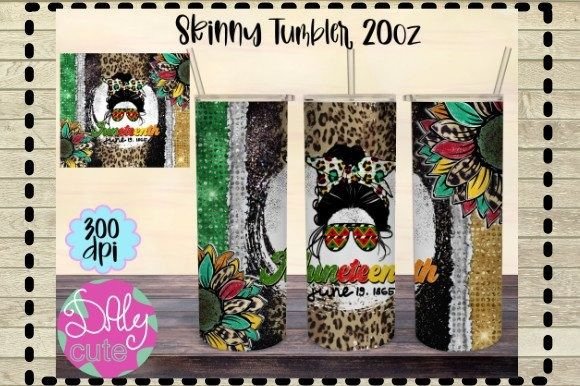
When I open the Juneteenth 1865 Tumbler PNG, my first thought as a designer is about its clarity and purpose. The design carries a celebratory, dignified mood. It’s not overly fussy or sentimental—it’s a statement piece. The shape, based on a 20oz tumbler, gives it a modern, everyday feel, which I appreciate. It feels like it belongs on something tangible and useful, something that would be held, carried, or worn regularly. For embroidery, that translates perfectly to items like tote bags, aprons, or sweatshirts—items where a meaningful design becomes part of daily life.
In the Hoop: A Real Project Scenario
Let’s say I have a client who wants a custom embroidered tote bag for a Juneteenth community event. I’m thinking through how this design stitches out. The straight PNG version would likely be my choice for a flat surface like a bag panel. The tapered version, I imagine, would be clever for a cap or a curved patch. The level of detail seems manageable—it’s bold enough to be clear from a distance, which is crucial for event merchandise or craft fair products. I’d be confident that on a sturdy canvas tote, with proper stabilizer, the fill stitches for the tumbler shape would look crisp, and the 1865 date would stand out without being too tiny to stitch cleanly.
Where This Design Thrives in Stitched Form
Beyond totes, this design’s personality suits a range of projects. On a heavyweight sweatshirt, it would feel substantial and valued. As a standalone patch, it could be applied to jackets or backpacks for a powerful, portable statement. For personalized gifts, think of a nicely embroidered pillow cover for a home or a kitchen towel for a meaningful kitchen accent. For baby items, perhaps simplified and stitched on a blanket border, it could become a heritage gift. For small shop merchandise, this design embroiders onto a simple tee or cap and instantly becomes a seasonal, recognition-focused product with deep significance.
The Caution Zone: Fabrics & Finishes to Consider
This is where practical judgment comes in. While the design feels bold, I’d advise careful use on very small hoop sizes—the tumbler shape and lettering need space to breathe. On highly textured fabrics like some blankets, the stitch clarity might soften, so a test on scrap is essential. Thin or stretchy fabric, like a lightweight tee, would require excellent stabilizer to prevent puckering around the likely denser fill areas of the tumbler. Dark fabric backgrounds demand thoughtful thread color contrast; a mockup in black and white helps plan that. On curved surfaces like caps, the tapered file is a smart inclusion, but always check the design’s orientation and stitch density for those tricky corners.
How It Shapes Customer Perception & Value
When this design is embroidered well, it elevates a product. The visual appeal is direct and respectful, which builds customer trust. For a handmade presentation, it shows thoughtful selection—it’s not a generic graphic. For brand consistency, a maker focusing on cultural or celebratory products could integrate this cleanly into their line. Its giftability is high; it feels like a commemorative item, not just decoration. For professionalism, a clean stitch-out on a quality item speaks volumes. It engages buyers looking for substance, not just style.
My Designer Notes Before the First Stitch
My process always involves a practical checklist. With the Juneteenth 1865 Tumbler PNG, I’d emphasize a few things. First, always test on scrap fabric that matches your final project’s texture and color. Review the stitch density in your embroidery software—since we’re working from PNG files, the conversion to stitches needs attention to ensure small details like the numbers remain clear. Confirm your hoop size can accommodate the design’s full width. Inspect how the tapered version adapts if you’re planning a cap. Crucially, since this is a digital file for Print Templates and Graphics, you must confirm the licensing terms yourself before using it for commercial embroidery projects or selling finished items. The files are PNGs, not SVGs, so your machine software compatibility is a step to verify.
The Final Take for Makers & Entrepreneurs
This design, in my view, is a strong candidate for commemorative embroidery work. It has a clear application in custom apparel, personalized gifts, and small business merchandise. Its strength is its straightforward, symbolic shape paired with a significant date. It doesn’t try to do too much, which in embroidery is a virtue—it translates well into stitches. For Etsy sellers or craft fair vendors, an embroidered product using this design could stand out as thoughtful and well-made. For hobbyists, it offers a meaningful project. The key, as always, is in the execution: proper stabilizer, thoughtful thread colors, and matching it to a product that can carry its weight. When done right, an embroidered Juneteenth tumbler isn’t just a decoration; it’s a crafted tribute, and that’s where its real value lies.